

Miguel Aréjula Aísa
- 22/01/2026
5 Tech Tendencies You Need to Know: The End of Digital
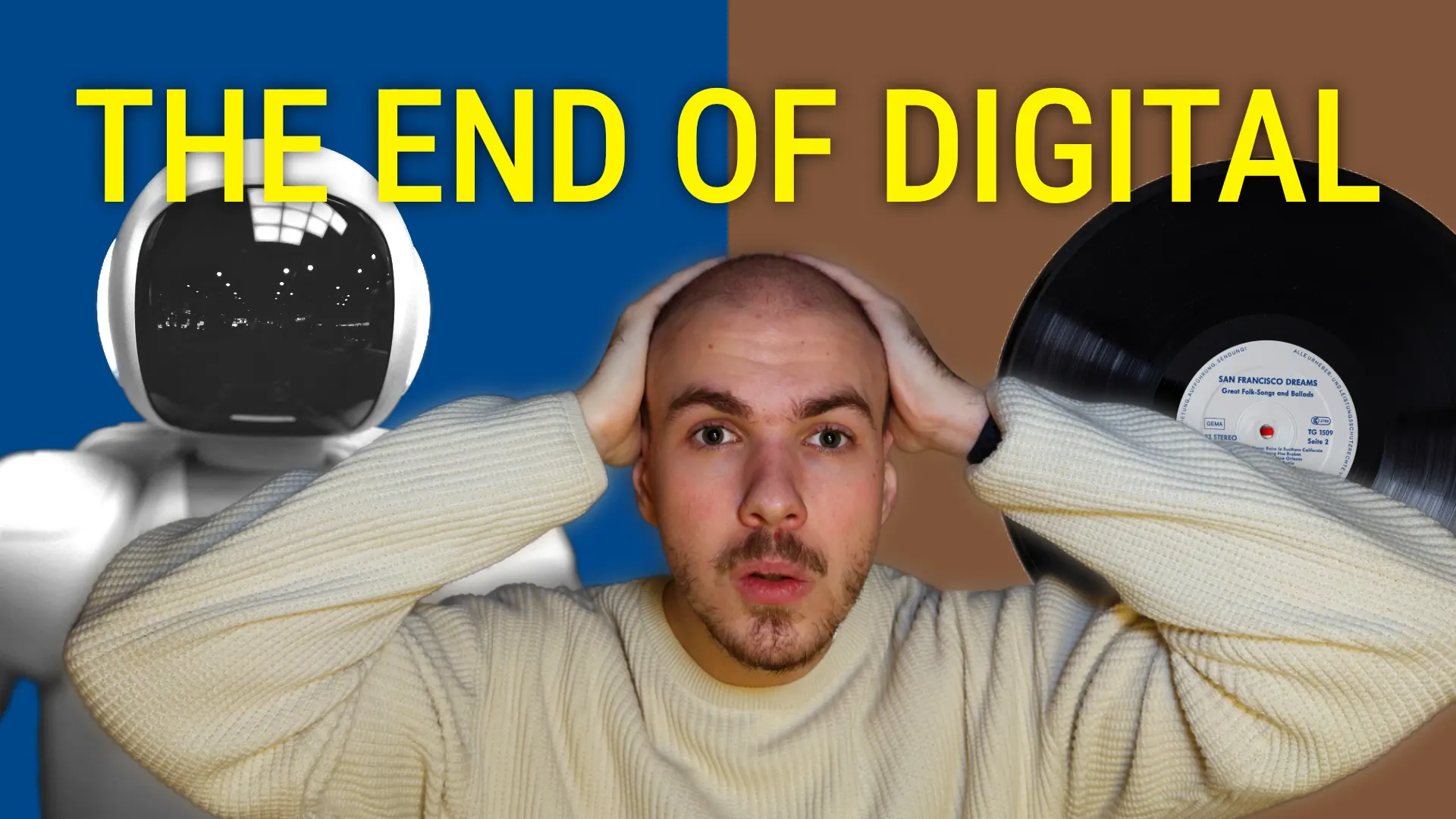
2026 is here, bringing a wave of surprising tech trends focused on re-humanizing our digital lives. From the resurgence of wired headphones to the rise of home NAS devices, discover the five key tendencies shaping this year.
2026 has arrived, and it is here to surprise us. For years, we were told the future would be entirely virtual, wireless, and cloud-based. We expected to be deeper into the metaverse, yet the reality on the ground is shifting in the opposite direction. Innovation hasn’t stopped, but its focus has changed. This year, we are seeing a massive re-humanization of technology.
The trends dominating 2026 aren’t about adding more digital layers to our lives; they are about choosing better ones. From the way we preserve our memories to the way we listen to a single song, here is a deep dive into the five trends defining this year.
5. The Professionalization of the Creator Economy
Taking the number five spot is the continued explosion of content creation products. We aren’t just talking about ring lights anymore; we are seeing a surge in high-end mirrorless cameras, broadcast-quality microphones, carbon-fiber drones, and sophisticated studio accessories.
In 2025, creating content was a trend. In 2026, it has become a fundamental literacy. For many, it is no longer just a hobby, it is a serious career path or a vital skill for personal branding. What’s truly interesting is the psychological shift this gear provides. When you invest in a dedicated camera or a professional microphone, you change your relationship with your work. High-quality tools act as a catalyst for discipline; they motivate creators to experiment more deeply and take their creative visions seriously.
Furthermore, the industry has responded by making pro-sumer gear more intuitive. Drones now feature AI-guided flight paths that make cinematic shots accessible to beginners, and microphones offer one-tap sound engineering. By lowering the technical barrier to entry while raising the quality ceiling, 2026 has turned the average bedroom into a professional production studio.
4. The dumb Revolution: Modern Offline Music Players
In at number four is a trend driven by digital fatigue: dedicated offline music players. Whether it’s a high-resolution modern MP4 player or a refurbished legacy device, people are flocking back to hardware that does exactly one thing.
The logic is simple: the smartphone has become a source of choice paralysis and constant interruption. We’ve all had the experience of trying to listen to a relaxing album, only to be snapped out of the moment by a work email, a news alert, or the temptation to scroll through social media. By the time the third song starts, we aren’t even listening anymore; we are just consuming data.
In 2026, the luxury isn’t having access to everything, it’s having access to nothing else. These dedicated players offer a sanctuary. They provide high-fidelity audio formats that streaming services often compress, and they do so without tracking your data or interrupting your flow. This shift is having a measurable impact on mental well-being, allowing users to reclaim their focus and enjoy music as a primary activity rather than just background noise for multitasking.
3. The Physical Connection: Turntables and Vinyl
The top three spot belongs to the unstoppable rise of turntables and physical media. What started as a niche collector’s market has officially hit the mainstream in 2026, transcending age groups and demographics.
The appeal of vinyl in a digital age is rooted in the ritual. In our current world, music is often treated as a utility, something we use to get through a workout or a commute. Record players force a change in pace. The act of sliding a disc out of its sleeve, cleaning the dust, and carefully dropping the needle requires a level of presence that clicking Shuffle on a playlist never will.
For some, it’s about the tangible nature of the art, the large-scale cover design and the lyric inserts. For others, it’s about the intentionality of listening to an album from start to finish, the way the artist intended. In 2026, the turntable isn’t just a piece of audio equipment; it’s a statement against the fast-fashion approach to digital content. It represents a desire to own something real that doesn’t disappear if a streaming platform loses a licensing deal.
2. Data Sovereignty: The Rise of the Home NAS
At number two, we have a trend born out of necessity: NAS (Network Attached Storage) devices.
For years, we were lured into the convenience of the cloud. However, by 2026, subscription fatigue has reached a breaking point. Between price hikes for photo storage and the realization that we don’t truly own the digital assets we pay for, users are looking for a way out. This is where the NAS comes in, a private server that sits in your living room.
A NAS allows you to host your own personal cloud. Your photos, home videos, and sensitive documents are stored on your own hard drives, accessible from anywhere in the world, but without the monthly fee or the privacy risks of a third-party corporation. While these were once intimidating to set up, the 2026 generation of NAS devices is remarkably user-friendly, featuring app-based interfaces that look and feel just like the mainstream cloud services we are used to. It’s about privacy, it’s about long-term cost-cutting, and above all, it’s about taking back control of your digital life.
1. The Great Plug-In: The Return of Wired Headphones
Finally, the number one tech trend for 2026: wired headphones.
If 2020-2024 was the era of the true wireless earbuds, 2026 is the year we plugged back in. I have personally made the switch back to cables, and the movement is growing rapidly. The reasons are a mix of practicality and philosophy. Users are tired of battery anxiety,the frustration of finding your headphones dead right when you need them, or knowing that your expensive wireless set has a use-by date because the internal battery will eventually degrade and fail.
Wired headphones offer a forever product. They are reliable, they don’t require pairing, and they don’t drop the connection in crowded areas. From an audio perspective, they still offer the best latency-free experience for creators and the highest fidelity for audiophiles.
But there is also an aesthetic shift happening. Much like the 2016 minimalist revival we are seeing elsewhere in culture, the visible wire has become a symbol of being plugged into the music and unplugged from the noise. It’s a deliberate choice to favor reliability and quality over the invisible, often finicky convenience of Bluetooth.
Conclusion
Looking at these trends, a clear picture emerges. 2026 isn’t about rejecting technology; it’s about refining our relationship with it. We are moving away from automatic convenience and toward intentional engagement. We want to own our data, we want to feel our music, and we want to create with tools that inspire us.
The 2016 aesthetic; minimalism, physical formats, and simplicity, is finding a new home in 2026. As we look for ways to reduce our screen time and live more balanced lives, these analog tech choices are providing the bridge we need.